
Aluminum Alloy & Steel PV Mounting Systems: Types, Functions & Installation Guide for Solar Panels
Discover the key functions, common types (roof, ground, carport, floating) and materials of PV mounting systems. Learn how to optimize solar panel efficiency, stability and maintenance for residential and commercial solar projects.
tonybuy
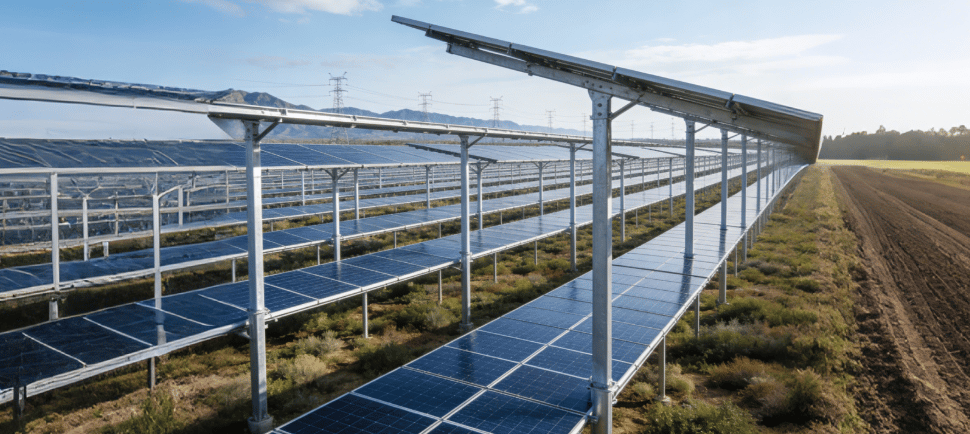
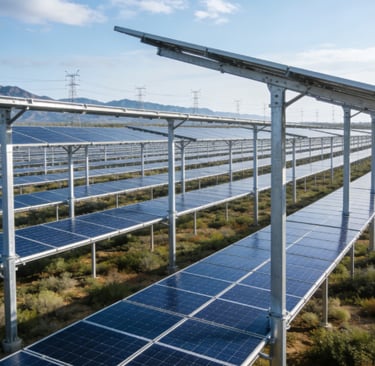
As a professional China supplier of solar energy accessories, we understand that a PV mounting system (photovoltaic mounting system) is the unsung hero of every solar power project. It is a structural framework designed to fix, support, and position solar photovoltaic (PV) panels in optimal conditions to maximize solar energy absorption and conversion efficiency. As a critical component of solar power systems, it connects PV panels to the installation surface and ensures their stability, safety, and long-term performance.
Core Functions of PV Mounting Systems
A high-quality PV mounting system is not just a "support frame"—it directly determines the efficiency and lifespan of your solar panels. Here are its four core functions:
Optimal Angle Adjustment
It allows PV panels to be installed at a specific tilt angle (usually corresponding to the local latitude or a customized angle based on seasonal solar radiation) to capture the maximum amount of sunlight throughout the year. Some advanced mounting systems even support tracking adjustment (single-axis or dual-axis tracking) to follow the sun’s movement in real time, boosting energy yield by 15%-25% compared to fixed-angle systems.
Structural Stability
It bears the weight of PV panels and resists external loads such as wind, snow, rain, and hail, preventing panels from shifting, tilting, or falling off. All our mounting systems comply with international building and wind load codes (e.g., AS/NZS 1170 for Australia, IBC for the US), ensuring safe operation even in extreme weather.
Ventilation and Heat Dissipation
A reasonable mounting structure maintains a 10-15cm gap between the panels and the installation surface, facilitating air circulation and reducing the operating temperature of PV modules. This design helps avoid 5%-10% efficiency loss caused by overheating, which is a common issue for poorly designed mounting systems.
Easy Installation and Maintenance
Standardized mounting components (pre-drilled holes, modular brackets) simplify the installation process of PV systems—cutting installation time by 30% for professional teams. The modular design also makes it convenient to clean panels, replace components, and expand the system scale later without dismantling the entire structure.
Common Types of PV Mounting Systems (By Installation Location)
Different installation scenarios require different mounting solutions. As a China supplier, we offer four main types to meet global market demands:
Roof Mounting Systems
The most widely used type for residential and commercial buildings. It is divided into two sub-types:
Ballasted mounting: No drilling required, fixed by counterweights like concrete blocks. Ideal for flat roofs (e.g., commercial warehouses) where roof penetration is not allowed.
Penetrating mounting: Fixed by drilling into the roof structure with waterproof fasteners. Suitable for sloped roofs such as tile or metal roofs, providing stronger stability.
Ground Mounting Systems
Used for large-scale solar farms or open-air installations. Made of high-strength aluminum alloy or galvanized steel, it can be installed on various terrains (grassland, desert, hillside). Most ground systems are equipped with tracking systems to improve energy yield, making them the first choice for utility-scale solar projects.
Carport Mounting Systems
Integrated with parking lots, it not only supports PV panels to generate electricity but also provides shade for vehicles. This dual-use design saves space and increases the economic benefits of parking lots—popular in shopping malls, office buildings, and residential communities.
Floating Mounting Systems
Installed on water surfaces such as reservoirs, lakes, and ponds. Suitable for areas with limited land resources (e.g., densely populated regions in Southeast Asia). The water environment also helps cool the panels, further improving energy efficiency by 3%-5%.
Key Materials of PV Mounting Systems
The material of the mounting system directly affects its durability and cost. Our China factory specializes in three high-quality materials:
Aluminum alloy (6005-T5/6063-T6): Lightweight, corrosion-resistant, easy to process. Ideal for residential roof systems and small-scale projects, with a service life of 25-30 years.
Galvanized steel: High strength, suitable for large-load scenarios (e.g., ground solar farms, areas with heavy snowfall). Hot-dip galvanizing treatment ensures corrosion resistance for 20-25 years.
Stainless steel (304/316): Excellent corrosion resistance for coastal or high-humidity areas (e.g., tropical islands, coastal cities). It is more expensive but provides the longest service life (30-35 years).
Q&A Section (For Global Buyers)
To help you make informed purchasing decisions, we’ve compiled answers to the most common questions from our overseas clients:
Q1: Which PV mounting system is the most cost-effective for residential flat roofs?
A: Ballasted aluminum alloy mounting systems are the best choice. They require no drilling (saving roof repair costs), are lightweight (reducing roof load), and have a lower price compared to steel systems. For most residential projects, the 6063-T6 aluminum alloy model can meet the load requirements of wind speeds up to 120km/h.
Q2: Can floating mounting systems withstand water wave impact?
A: Yes. Our floating mounting systems use high-density HDPE floats and anti-corrosion stainless steel connectors. They are designed to resist wave heights of up to 1.5m and have been successfully applied in reservoir projects in Indonesia and Thailand.
Q3: How to choose between aluminum alloy and galvanized steel for ground mounting systems?
A: Choose aluminum alloy if your project is in a coastal or high-humidity area (corrosion resistance is a priority). Choose galvanized steel if your project is in an area with heavy snowfall or requires a large load capacity (e.g., mounting double-glass solar panels). Our team can provide customized load calculation reports for free.
Conclusion
A PV mounting system is the foundation of a high-efficiency, long-lasting solar power system. As a reliable China supplier, we are committed to providing global clients with high-quality, cost-effective mounting solutions—whether for residential roofs, large-scale solar farms, or innovative floating projects. By choosing the right mounting system, you can maximize the return on investment of your solar project.
Unit 10, Smithfield Road Industrial Hengshui
Hebei Province
Beijing
China
+86 18633908188
tony.buy@gmail.com